Denver’s climate is no joke — hot, sun-baked summers and cold, dry winters with big temperature swings even within a single day. Without adequate insulation, your home is constantly losing the conditioned air you’re paying to heat or cool. For many Denver homeowners, insulation upgrades are one of the most cost-effective ways to improve comfort and lower energy bills, often with a faster payback period than other home improvements.
Why Insulation Matters in Denver’s Climate
Denver sees over 5,000 heating degree days per year on average, plus significant cooling demand in summer. Heat naturally moves from warm areas to cool ones — in winter, that means heat escapes upward and outward through your attic, walls, and floors; in summer, it means heat works its way in. Insulation slows that transfer, which means your furnace and air conditioner don’t have to work as hard or run as often.
Common signs your home needs better insulation:
- Uneven temperatures between rooms or floors
- Ice dams forming on the roof in winter (a sign heat is escaping through the attic)
- High heating and cooling bills relative to your home’s size
- Cold floors or walls to the touch
- Drafts near outlets, baseboards, or attic hatches
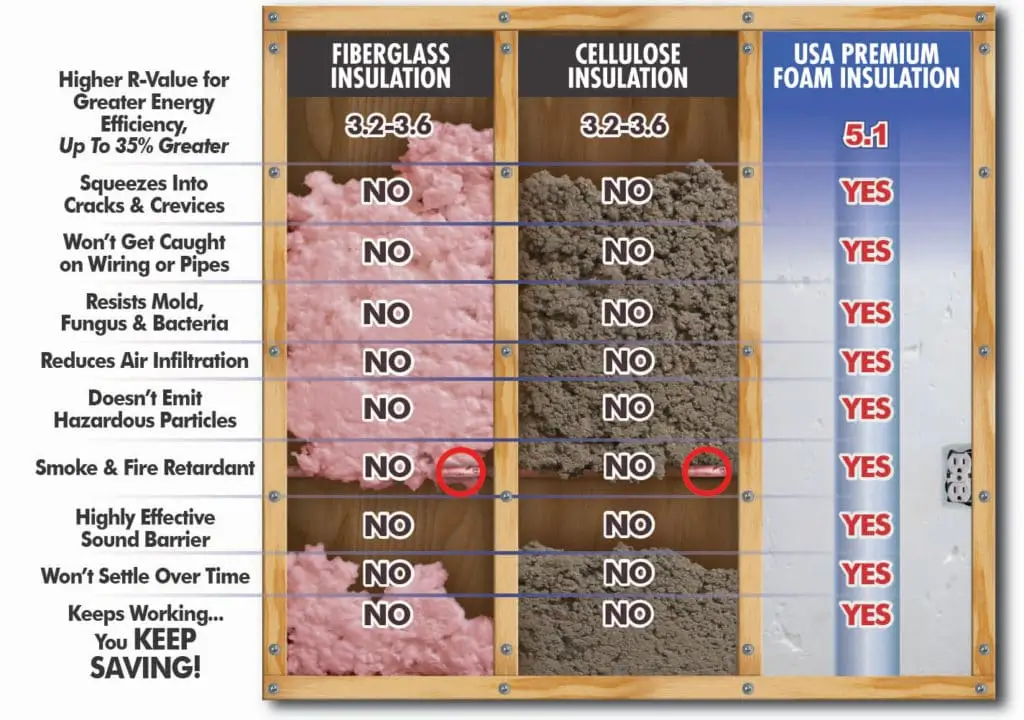
Types of Insulation for Denver Homes
Attic Insulation The attic is often the single biggest source of heat loss in a home, since heat rises. Common attic insulation materials include:
- Blown-in fiberglass or cellulose — popular for retrofits because it can be installed over existing insulation without major disruption, filling gaps and irregular spaces effectively.
- Spray foam — provides both insulation and an air seal in one step, useful for irregular attic spaces or where air sealing is a priority.
Most older Denver homes are significantly under-insulated in the attic relative to current recommendations. Adding insulation to bring an attic up to recommended levels is often the single highest-ROI insulation project available.
Wall Insulation Many homes built before the 1980s have little to no wall insulation, or insulation that has settled and left gaps over time. Wall insulation options include:
- Dense-pack cellulose or fiberglass, blown into existing wall cavities through small access holes — a common retrofit option that doesn’t require removing drywall.
- Spray foam, typically used during new construction or major renovations when walls are open.
Air Sealing Insulation and air sealing go hand in hand. Insulation slows heat transfer through materials, but air sealing closes the gaps, cracks, and penetrations that let conditioned air leak out (and outside air leak in) around plumbing penetrations, recessed lighting, attic hatches, and where walls meet the foundation or roofline. Air sealing is often paired with attic insulation projects and can meaningfully boost the overall performance of the work.
Crawl Space and Basement Insulation Uninsulated crawl spaces and basement walls are a common source of cold floors and energy loss, particularly in homes with crawl space foundations common in parts of the Denver area. Insulating crawl space walls (rather than just the floor above) along with proper vapor barriers can improve comfort and help control moisture.What Affects Insulation Costs
Insulation project costs depend on several factors:
- Square footage of the area being insulated (attic, walls, crawl space)
- Material type — cellulose and fiberglass are generally less expensive than spray foam, which costs more but offers air sealing benefits
- Current insulation levels — adding insulation to a space with little or none typically costs less per square foot than achieving the same R-value increase in a space that already has some insulation
- Accessibility — attics and crawl spaces with tight access, low clearance, or obstructions can increase labor time
- Air sealing scope — if air sealing is bundled with insulation work, it adds to the cost but also adds to the performance gain
Attic insulation top-ups tend to be among the more affordable insulation projects per square foot, while wall insulation retrofits and spray foam applications generally cost more due to the labor and material involved. A home energy assessment is the best way to get an accurate picture of where your home is losing energy and what a project would cost, since every home’s starting point is different.
Rebates and Incentives
Xcel Energy — which serves the Denver metro area — has periodically offered rebates for attic insulation, wall insulation, and air sealing, sometimes with additional incentives available when multiple measures are completed together as part of a whole-home efficiency approach. Programs, amounts, and eligibility requirements change frequently and are subject to funding availability, so the most current and accurate numbers should always be confirmed directly with Xcel Energy or a participating contractor before you budget for a project. In many cases, a participating contractor can apply the rebate as an upfront discount and handle the paperwork on your behalf.
Estimating Energy Savings
The energy savings from an insulation upgrade depend on your home’s current insulation levels, the size of the project, your heating and cooling equipment, and your household’s energy use patterns. Generally, homes that start with little or no insulation in a given area see the largest percentage improvements when insulation is added. Combining insulation upgrades with air sealing tends to produce better results than either alone, since sealed gaps prevent insulation from being undermined by air leakage.
If you’re also dealing with old, drafty windows, it’s worth considering both projects together. Window replacement addresses a different part of your home’s thermal envelope, and tackling windows and insulation in the same planning cycle can help you prioritize the upgrades that will make the biggest difference for your specific home.
Getting Started
The best first step is a home energy assessment, which identifies exactly where your home is losing energy — attic, walls, crawl space, windows, or a combination — so you can prioritize improvements based on impact and budget rather than guessing.
Want to know where your Denver home stands? Contact us for an assessment and a personalized plan for improving comfort and cutting energy costs.