Attic insulation is one of the most important upgrades Denver homeowners can make for improving comfort and energy efficiency. In Colorado homes, the attic plays a major role in heat transfer throughout the year. Poor insulation can allow heat to escape during winter and trap excessive heat inside the home during summer.
Many homeowners begin researching attic insulation after noticing rising utility bills, hot upstairs rooms, cold drafts, or uneven temperatures between floors. While attic insulation costs can vary depending on the home and insulation type, upgrading attic insulation can provide long-term value through improved comfort and reduced energy waste.
Why Attic Insulation Matters in Colorado Homes
Denver’s climate creates constant temperature fluctuations that place stress on heating and cooling systems. During winter, warm indoor air naturally rises toward the attic. Without proper insulation, much of that heat can escape through the roof structure. In summer, attic temperatures can become extremely hot, transferring heat into living spaces below.
According to ENERGY STAR, sealing and insulating a home can help improve comfort while lowering heating and cooling costs. Attic insulation is often one of the most impactful areas to upgrade because the attic is a major source of energy loss in many homes.
What Impacts Attic Insulation Costs?
Attic insulation costs in Denver vary based on several factors. Every home has different insulation needs depending on its age, layout, attic condition, and existing insulation levels.
Size of the Attic
Larger attic spaces require more insulation material and installation time, which directly impacts overall project cost.
Type of Insulation
Different insulation materials come with different price points and performance levels. Common attic insulation options include:
- Blown-in fiberglass insulation
- Blown-in cellulose insulation
- Spray foam insulation
- Batt insulation
Some homeowners choose blown-in insulation for affordability and efficiency, while others prefer spray foam insulation for advanced air sealing and thermal performance.
Existing Insulation Condition
Older insulation may need to be removed or upgraded if it has become compressed, damaged, or ineffective over time. Homes with insufficient insulation levels may also require additional material to meet modern energy-efficiency recommendations.
Air Sealing Needs
Air leaks around attic openings, vents, recessed lighting, plumbing penetrations, and ductwork can reduce insulation performance. Many attic insulation projects include air sealing improvements to maximize energy efficiency.
Common Types of Attic Insulation
Blown-In Insulation
Blown-in insulation is one of the most common attic insulation solutions in Denver homes. It is designed to fill gaps and irregular spaces while improving overall attic coverage.
Benefits of blown-in insulation include:
- Efficient attic coverage
- Improved thermal performance
- Fast installation
- Cost-effective energy upgrades
Spray Foam Insulation
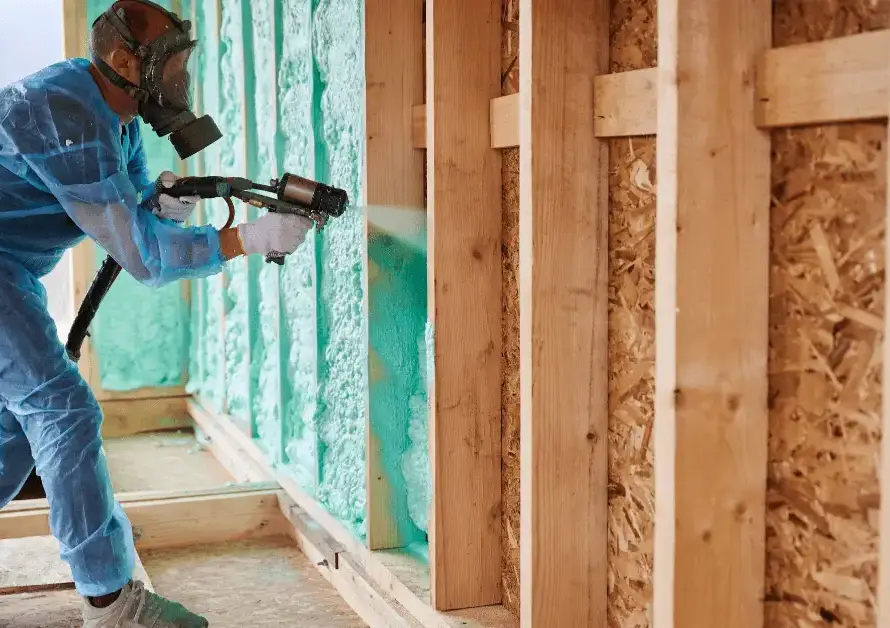
Spray foam insulation expands after application, helping seal cracks and gaps while providing high insulation performance.
Spray foam is commonly used for:
- Attic rooflines
- Hard-to-reach areas
- Air sealing improvements
- Homes with major energy-loss concerns
Batt Insulation
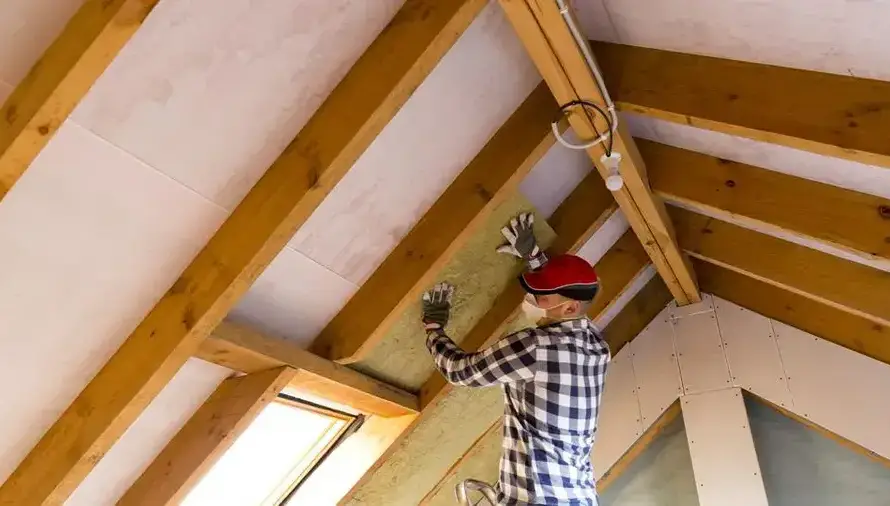
Batt insulation remains a common option in attics and may be used in combination with blown-in insulation depending on the attic design and insulation goals.
Signs Your Attic May Need More Insulation
Many Denver homes, especially older properties, do not have enough attic insulation to meet modern efficiency standards.
Common warning signs include:
- Hot upstairs rooms in summer
- Cold drafts during winter
- High heating and cooling bills
- Ice damming on the roof
- Uneven indoor temperatures
- HVAC systems running constantly
- Attic spaces that become extremely hot
If your home struggles to maintain comfortable temperatures year-round, attic insulation may be contributing to the problem.
How Insulation Helps Lower Energy Costs
Proper attic insulation helps slow heat transfer between the attic and living areas of the home. This reduces the workload placed on heating and cooling systems while helping maintain more consistent indoor temperatures.
Benefits may include:
- Reduced heating costs during winter
- Lower cooling expenses during summer
- Improved HVAC efficiency
- Better indoor comfort
- Reduced temperature fluctuations
- Long-term energy savings
Understanding Recommended Insulation Levels
Insulation performance is measured by R-value, which reflects resistance to heat flow. Higher R-values generally provide better insulation performance.
For colder climate zones like Colorado, homes with older or insufficient insulation may benefit from adding additional attic insulation to improve thermal performance and energy efficiency.
The right insulation level depends on:
- The age of the home
- Existing insulation levels
- Attic ventilation
- HVAC system performance
- Energy-efficiency goals
Are Rebates Available?
The federal Energy Efficient Home Improvement Credit (Section 25C) ended for insulation installed after December 31, 2025, so 2026 projects don’t qualify for it. Local utility rebate programs, such as those offered by Xcel Energy, may still apply depending on current eligibility requirements.
Programs may apply to:
- Blown-in insulation
- Spray foam insulation
- Air sealing improvements
- Energy-efficient insulation upgrades
Because available incentives can change over time, homeowners should verify current rebate opportunities before beginning a project.
Improve Comfort With Professional Attic Insulation Solutions
Attic insulation is one of the most effective ways to improve energy efficiency, reduce utility costs, and create a more comfortable indoor environment throughout the year. Whether your home needs blown-in insulation, spray foam insulation, or a full attic energy upgrade, improving insulation performance can provide long-term benefits for Colorado homeowners.
At Thermal Home Solutions, we help Denver-area homeowners improve comfort and energy efficiency with professional attic insulation solutions designed for Colorado’s climate.