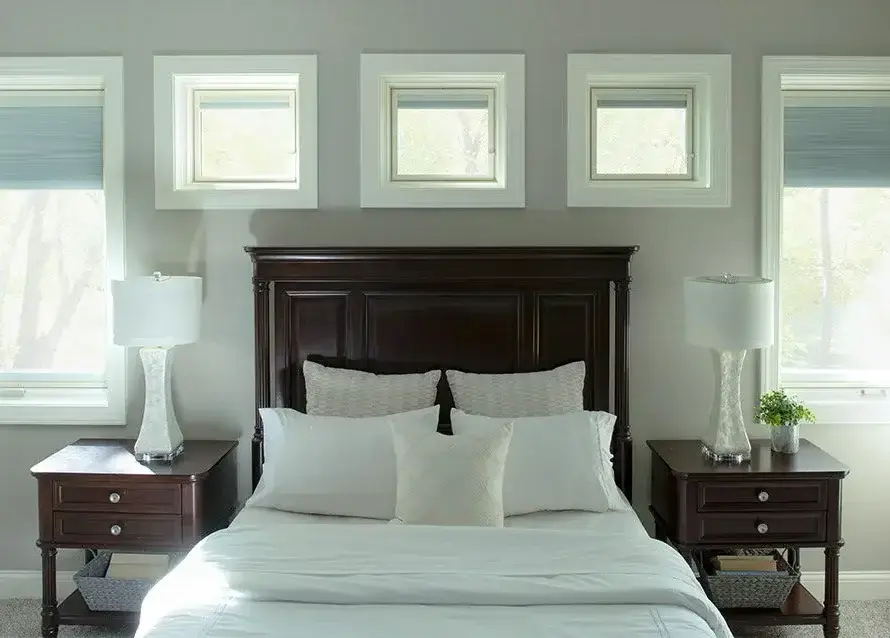
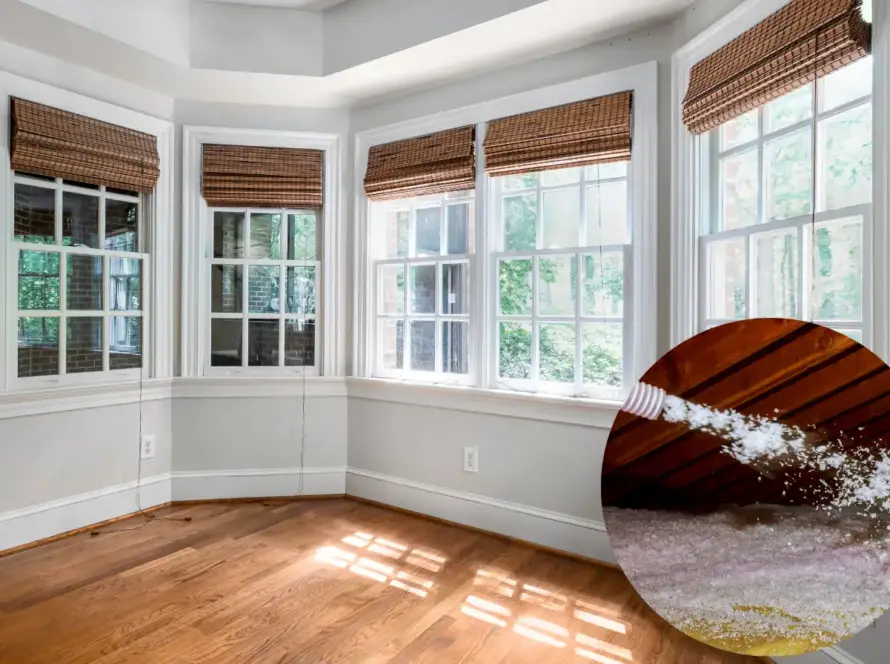
Windows feel drafty in winter even when they’re shut because cold air slips through worn weatherstripping, failed caulk and gaps around the frame, and because cold glass chills the air next to it so it sinks and flows across the room. Older single-pane or failed double-pane units make both problems worse. Small leaks can be sealed; worn-out windows usually need replacing.
Key takeaways
- Most winter “drafts” come from two sources: real air leaks around the sash and frame, and cold glass that creates a downdraft.
- Weatherstripping, caulk and locks are cheap first fixes. Check them before you price new windows.
- Fogged glass, rot, warped sashes or windows that won’t lock tight usually mean the unit is at the end of its life.
- In Denver’s dry, windy winters with big day-night temperature swings, frames and seals wear faster than you might expect.
- A window quote from Thermal Home Solutions includes an honest look at whether sealing or replacement makes more sense.
Why do my windows feel drafty when they’re closed?
A closed window still has dozens of joints: where the sash meets the frame, where the frame meets the wall, and where the glass meets the sash. Each joint relies on a seal. When a seal fails, outside air gets pushed in, especially when the Front Range wind picks up.
There’s a second effect that people often mistake for a leak. Glass is the coldest surface in most rooms. Air touching it cools, gets heavier and slides down to the floor, then flows across the room. You feel a cold current at your ankles even if no outside air is getting in. Better glass fixes that; caulk does not.
What are the most common causes of winter window drafts?
When we look at drafty windows in Lakewood, Littleton and across the Denver metro, the cause is usually one of these six:
- Worn or missing weatherstripping. The foam, felt or vinyl strips around operable sashes flatten and crack over time. Sliders and double-hung windows are the usual suspects.
- Failed exterior caulk. Colorado’s high-altitude sun and freeze-thaw cycles dry out caulk. Once it cracks or pulls away, air and water get behind the trim.
- Gaps between the frame and the wall. Many older homes have little or no insulation in the rough opening around the window. You can’t see this gap, but you can feel it on a windy day.
- Sashes that don’t close tight. Warped wood, bent vinyl or a broken lock leaves a gap at the meeting rail. If the lock is hard to engage, the sash probably isn’t sealing.
- Failed insulated glass. Double-pane glass relies on a sealed space between the panes. When that seal fails you’ll often see fog or haze between the panes, and the glass insulates less well.
- Single-pane glass or aluminum frames. These conduct cold readily. Even with perfect seals, the room near them stays cold and the downdraft effect is strong.
How can I tell where the draft is coming from?
You don’t need special tools for a first check. On a cold, windy day:
- Hold the back of your hand near the edges of the sash, the meeting rail and the trim. Moving air is a leak; even, steady cold is the glass.
- Close a sheet of paper in the window. If it slides out easily, the sash isn’t compressing the weatherstripping.
- Look for daylight around the sash, cracked caulk outside, or water stains on the sill.
- Check between the panes for fog or mineral streaks that don’t wipe off.
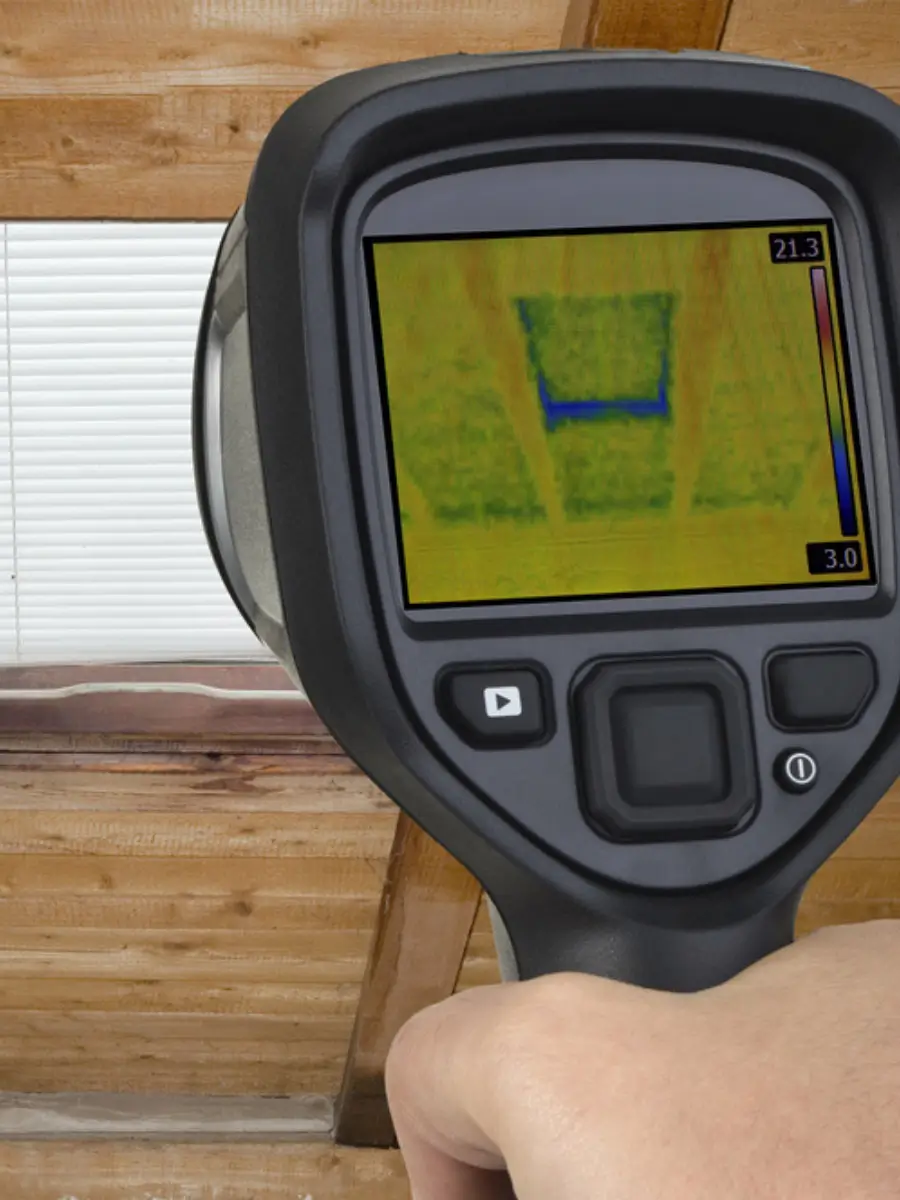
For a whole-house picture, a home energy audit shows where air is leaking, around windows and everywhere else. That matters because a drafty room isn’t always a window problem. Attic bypasses and gaps around outlets can pull cold air past windows too.
Can I fix drafty windows without replacing them?
Often, yes, if the frame and glass are sound. Here’s how the common fixes compare:
| Problem | Repair option | When repair is enough | When to consider replacement |
|---|---|---|---|
| Worn weatherstripping | Replace strips or seals | Sash is square and the lock works | Sash is warped and won’t compress the seal |
| Cracked exterior caulk | Remove old caulk and reseal | Trim and frame are solid | Rot or water damage behind the trim |
| Gap around the frame | Seal with low-expansion foam under the trim | Frame is solid and plumb | Frame is rotted or out of square |
| Loose sash or broken lock | Adjust or replace hardware | Parts are still available | Frame is bent or parts are discontinued |
| Fogged double-pane glass | Replace the glass unit only | Frame is in good shape | Several units are failing at once |
| Single-pane or aluminum | Interior storm panels or window film | Short-term or a rental | You want lasting comfort and lower heating costs |
Temporary fixes like shrink-film kits and draft snakes can get you through a cold snap. They don’t solve the cause, and they don’t help the cold-glass downdraft.
When is it time to replace drafty windows instead?
Replacement makes sense when the problem is the window itself, not just its seals. Signs include rot or soft wood, warped frames, fogging in several units, sashes that won’t stay up or lock, and single-pane glass. Our guide to the 7 signs it’s time to replace your windows walks through each one.
When you do replace, look at the NFRC label. For the Northern climate zone that covers Colorado, ENERGY STAR Version 7 windows have a U-factor of 0.22 or lower and an air leakage rating of 0.3 cfm per square foot or lower. Lower U-factor means warmer glass and less downdraft. A low air-leakage rating means fewer drafts at the seals.
Installation matters as much as the window. A new unit set into an unsealed rough opening can still leak. A careful installer insulates and seals the gap between the frame and the wall, then flashes the opening so water drains out. Ask how that’s handled before you book a window replacement.
Are drafty windows the reason my heating bills are high?
They can be part of it, but they’re rarely the whole story. In many Denver-area homes the attic loses more heat than the windows. If you’re deciding where to spend first, read does insulation or windows make a bigger difference in energy bills. We’d rather tell you to seal and insulate first than sell you windows you don’t need yet.
What do drafty windows look like in Denver-area homes?
The metro’s housing stock shapes the problem. Many 1950s-1970s ranches and split-levels in Lakewood, Arvada and Littleton still have original aluminum sliders or early double-pane units with failed seals. Newer homes in Highlands Ranch and Centennial tend to have vinyl windows from the 1990s and 2000s, where worn weatherstripping and failed glass seals are the usual culprits.
If you live in our office’s home city, see our Lakewood window replacement page. Littleton homeowners can start with window replacement in Littleton.
Frequently asked questions
Why is there cold air coming from my window when it’s closed and locked?
Cold air from a closed, locked window usually means the weatherstripping is worn, the exterior caulk has cracked, or there’s an unsealed gap between the frame and the wall. It can also be a downdraft: cold glass chills the air beside it, which sinks and moves across the floor. Feel for moving air at the edges to tell the two apart.
Is it normal for new windows to feel a little cold in winter?
Glass is always cooler than the wall around it, so a slight chill close to the window is normal on very cold nights. A steady current of air, frost on the inside of the frame, or a cold spot at the trim is not normal. Those point to an installation gap or a seal problem that should be checked.
Can drafty windows cause condensation or frost inside?
Yes. When warm, moist indoor air meets a cold window surface, water condenses, and in a hard freeze it can turn to frost. Leaky seals and poorly insulated frames make the surfaces colder. Denver’s air is dry, so heavy, regular condensation is a sign the window or its installation isn’t performing well.
How much does it cost to fix drafty windows?
It depends on the cause. New weatherstripping or caulk is a small job, while replacing a failed glass unit or a whole window costs more. Because every house is different, the most reliable answer comes from an in-home look and a written estimate.
Should I fix drafts before or after winter?
Sealing and weatherstripping can be done any time it’s dry and above freezing. Window replacement can also be done in winter; experienced crews replace one opening at a time so the house stays warm.
Stop the draft before the next cold snap
If a room never feels warm or you can feel the wind through a closed window, let us take a look. Thermal Home Solutions is based in Lakewood and works across the Denver metro, from Arvada and Brighton to Centennial and Highlands Ranch. We’ll tell you plainly whether a repair, better sealing or new windows makes the most sense. Get a window quote or contact us to schedule a visit.