Radiant Barriers vs Traditional Attic Insulation
When it comes to improving your home’s energy efficiency in Denver, attic performance plays a major role. Two of the most common solutions homeowners consider are radiant barrier insulation and traditional attic insulation—but they don’t do the same thing. Understanding how each works (and how they work together) can help you make the right decision for your home.
What Is Traditional Attic Insulation?
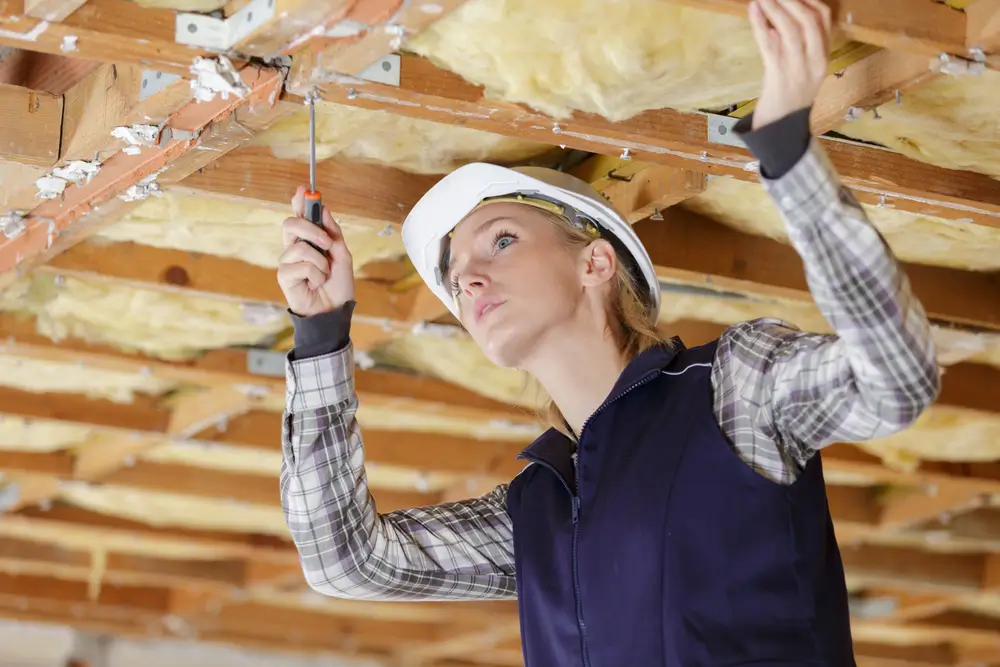
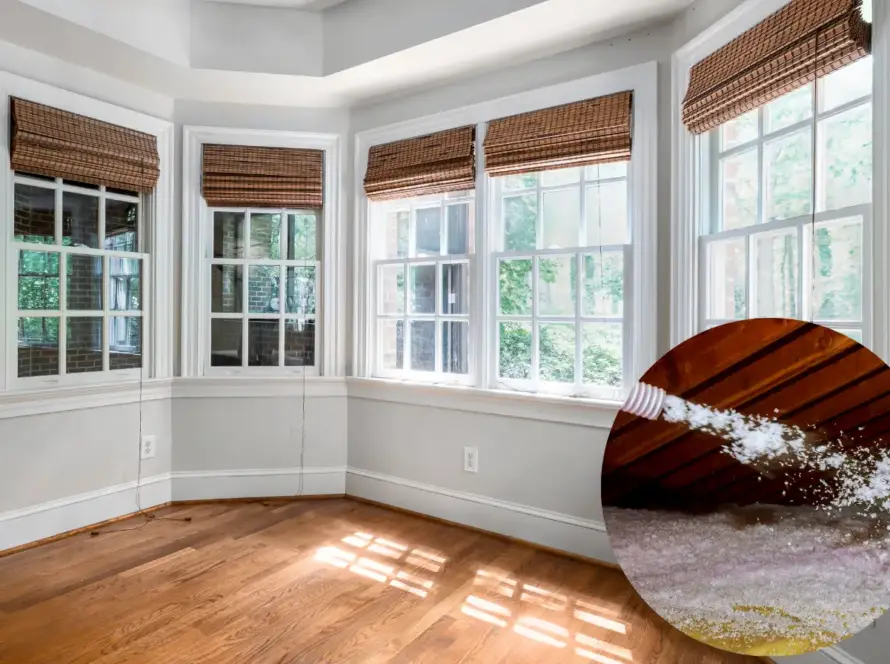
Traditional attic insulation—such as fiberglass batts, blown-in insulation, or spray foam—is designed to slow down heat transfer. It acts as a thermal barrier, keeping warm air inside during the winter and outside during the summer.
In a climate like Denver, where temperatures can fluctuate dramatically, proper attic insulation is essential for maintaining comfort and reducing energy loss. However, while traditional insulation is effective at slowing heat, it doesn’t stop radiant heat from entering your attic in the first place.
What Is a Radiant Barrier?
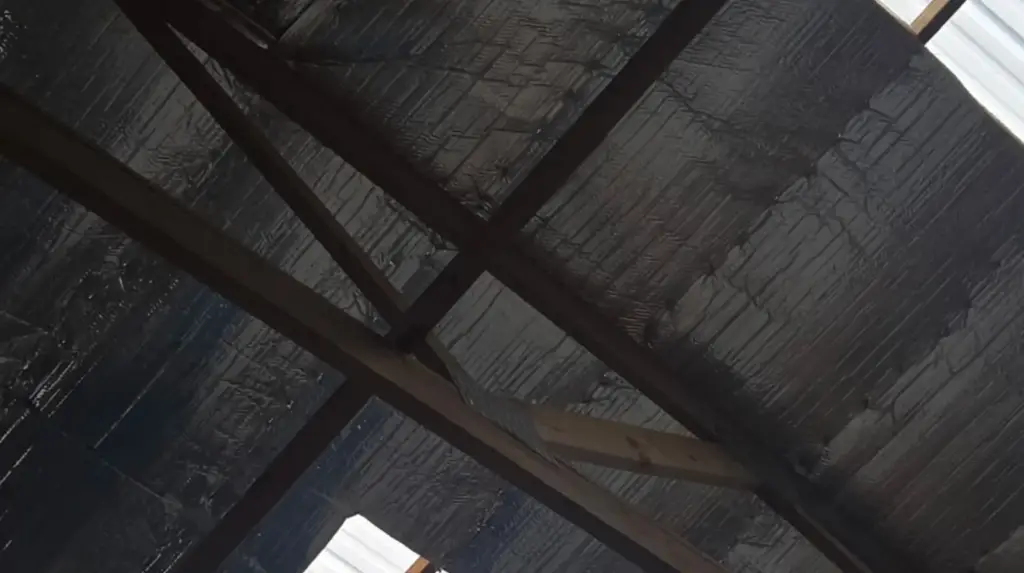
Radiant barriers work differently. Instead of slowing heat transfer, they reflect radiant heat away from your attic. Typically installed along the underside of the roof rafters, radiant barriers prevent heat from entering your attic space—especially during hot, sunny days.
In Denver’s high-altitude environment, where sunlight is more intense, radiant barriers can significantly reduce attic heat buildup and help keep your home cooler.
Radiant Barrier vs Traditional Insulation: Key Differences
Here’s a simple breakdown of how they compare:
Traditional Attic Insulation:
- Slows heat transfer (conduction and convection)
- Helps retain heat in winter
- Installed on attic floor or within walls
- Essential for overall insulation performance
Radiant Barrier:
- Reflects radiant heat away from attic
- Reduces heat gain during summer
- Installed along roof rafters or roof deck
- Works best when paired with traditional insulation
Which One Is Better for Your Home?
The truth is—this isn’t an either/or decision.
Radiant barriers and traditional insulation work best together. Traditional insulation helps regulate temperature over time, while radiant barriers stop heat before it even enters your attic. When combined, they create a more complete and efficient system.
For many Denver homeowners, adding a radiant barrier to an already insulated attic can:
- Improve comfort on upper floors
- Reduce cooling costs
- Extend the life of HVAC systems
- Enhance overall energy efficiency
When Should You Consider a Radiant Barrier?
A radiant barrier may be a great fit if:
- Your attic gets extremely hot in the summer
- Your upper floors feel warmer than the rest of your home
- Your cooling costs are higher than expected
- You’re already upgrading or adding attic insulation
It’s also a smart option for commercial buildings and warehouses, where large roof surfaces can trap and radiate heat throughout the space.
Improve Your Attic Performance with Thermal Home Solutions
At Thermal Home Solutions, we bring over 50 years of combined experience helping homeowners and businesses across Denver improve energy efficiency. Whether you need new attic insulation, a radiant barrier, or a full energy audit, our team will recommend the right solution for your space.
Schedule Your Free Energy Audit
If you’re not sure what your attic needs, we can help. Our team will assess your current insulation, identify problem areas, and recommend improvements that deliver real results.
Contact Thermal Home Solutions today to schedule your free energy audit and start improving your home’s comfort and efficiency.