When it comes to reducing energy bills in Denver homes, homeowners frequently ask:
Should I upgrade attic insulation or replace my windows first?
The truth is, the answer depends on where your home is losing the most energy. In Denver’s climate — with freezing winters, strong sun exposure, and high elevation — small inefficiencies can significantly impact heating and cooling costs.
Understanding how insulation and windows affect home energy efficiency is key to making the smartest investment.
Where Most Energy Loss Happens in Denver Homes
Before choosing between insulation or windows, it’s important to understand where energy escapes.
Common problem areas include:
- Under-insulated attics
- Air leaks around window frames
- Gaps in wall insulation
- Poor air sealing around penetrations
- Duct leakage
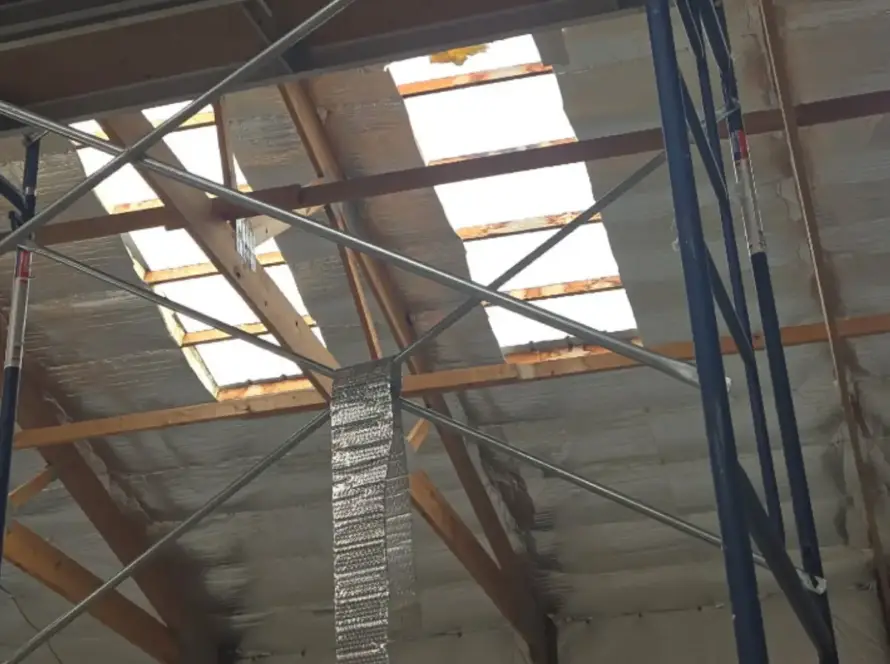
In many older Denver homes — especially those built before 2005 — attic insulation is often below today’s recommended R-values for Colorado’s climate zone.
Because heat rises, inadequate attic insulation can account for 25–35% of total heat loss during winter months.
The Power of Proper Attic Insulation
Upgrading attic insulation in Denver homes is often one of the highest ROI energy improvements available.
Proper blown-in insulation helps:
- Lower monthly heating bills
- Maintain consistent indoor temperatures
- Reduce hot and cold spots
- Improve summer cooling performance
- Decrease HVAC system strain
- Extend furnace and AC lifespan
If your attic insulation has settled or was installed decades ago, upgrading it can dramatically improve overall home energy efficiency.
In many cases, insulation improvements deliver faster utility savings than window replacement alone.
How Energy-Efficient Windows Contribute
That said, windows absolutely play an important role.
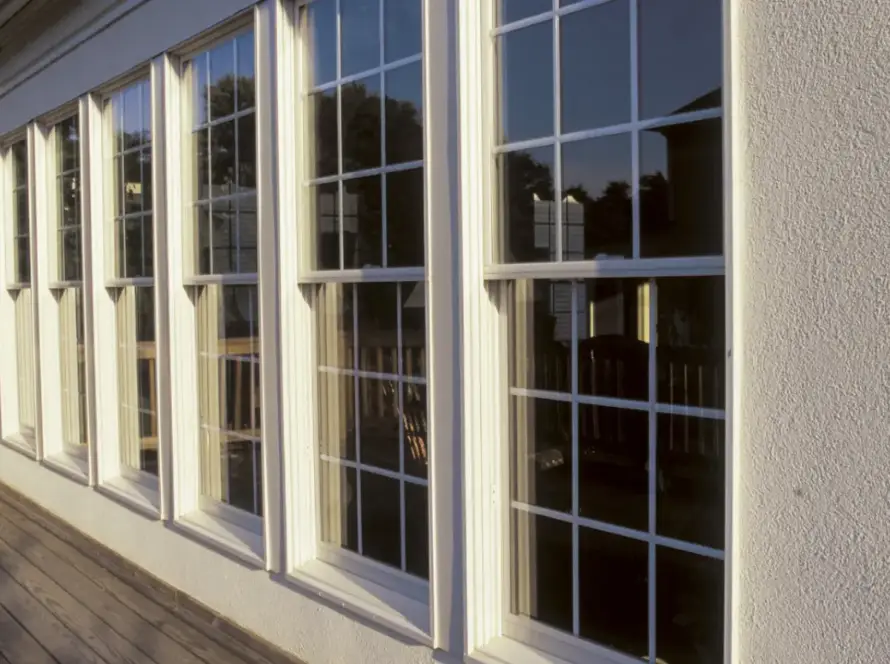
Modern energy-efficient replacement windows in Denver:
- Reduce air drafts
- Improve indoor comfort
- Lower UV penetration
- Minimize outside noise
- Increase curb appeal and home value
Depending on the age and condition of your existing windows, upgrading can improve overall efficiency by 10–25%.
If your windows are single-pane, seal-failed, or over 20 years old, replacement may significantly improve comfort — especially near exterior walls.
So Which Should You Upgrade First?
If your attic insulation is below recommended R-values, upgrading insulation often provides the greatest immediate reduction in heating costs.
If your windows are drafty, damaged, or outdated, replacement may dramatically improve comfort and air sealing.
The smartest approach is not guessing — it’s measuring.
The Smartest Approach: Whole-Home Energy Evaluation
Instead of choosing insulation vs windows blindly, a professional whole-home energy assessment identifies:
- The largest sources of heat loss
- Air leakage problem areas
- Insulation deficiencies
- Window performance issues
In many Denver homes, improving attic insulation first delivers the fastest return on investment. After that, upgrading windows further enhances performance and comfort.
Often, the best long-term results come from combining both.
Maximize Home Energy Efficiency in Denver
Thermal Home Solutions specializes in integrated energy upgrades — helping Denver homeowners improve attic insulation, replace inefficient windows, and enhance overall home performance.
Our goal isn’t just selling a product — it’s improving measurable energy efficiency.
Schedule your home energy evaluation today and discover the most effective path to lower energy bills and year-round comfort.